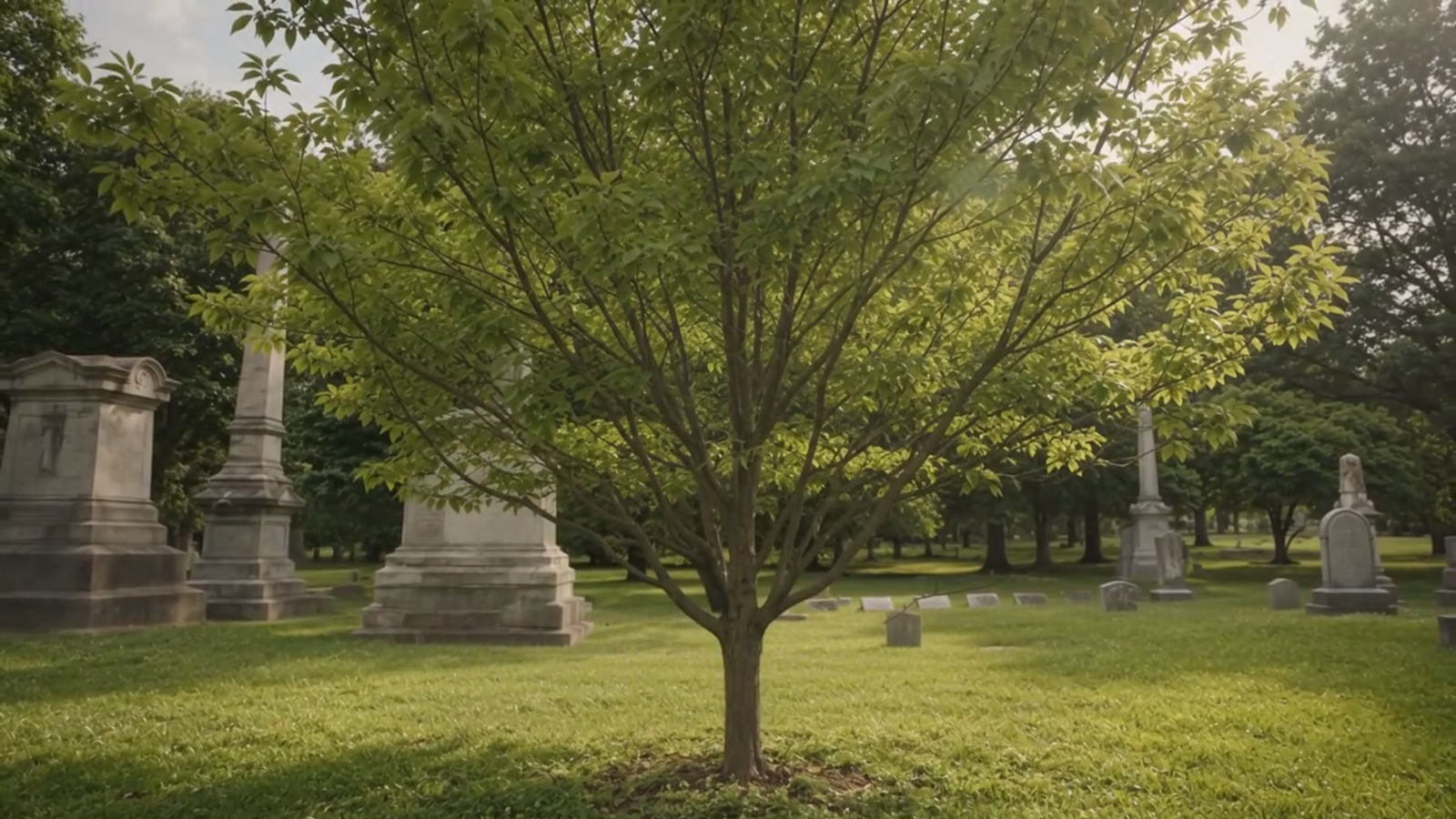
Help Stabilize Bellefontaine's Franklin Tree
Our magnificent Franklin Tree has begun to split down its major stems. Without significant structural support, we risk losing one of the largest and most historically significant specimens in the region.
Every contribution, regardless of size, helps.
See the Problem Up Close
Watch Director of Horticulture James Faupel explain the critical danger facing the tree. The split is progressing, and the weight of the canopy threatens to tear the tree apart in the next major weather event.
Every Major Stem Has Begun to Split
Due to "included bark"—a condition where bark grows inward between co-dominant stems instead of outward—the connections holding the tree's massive canopy together are exceptionally weak.
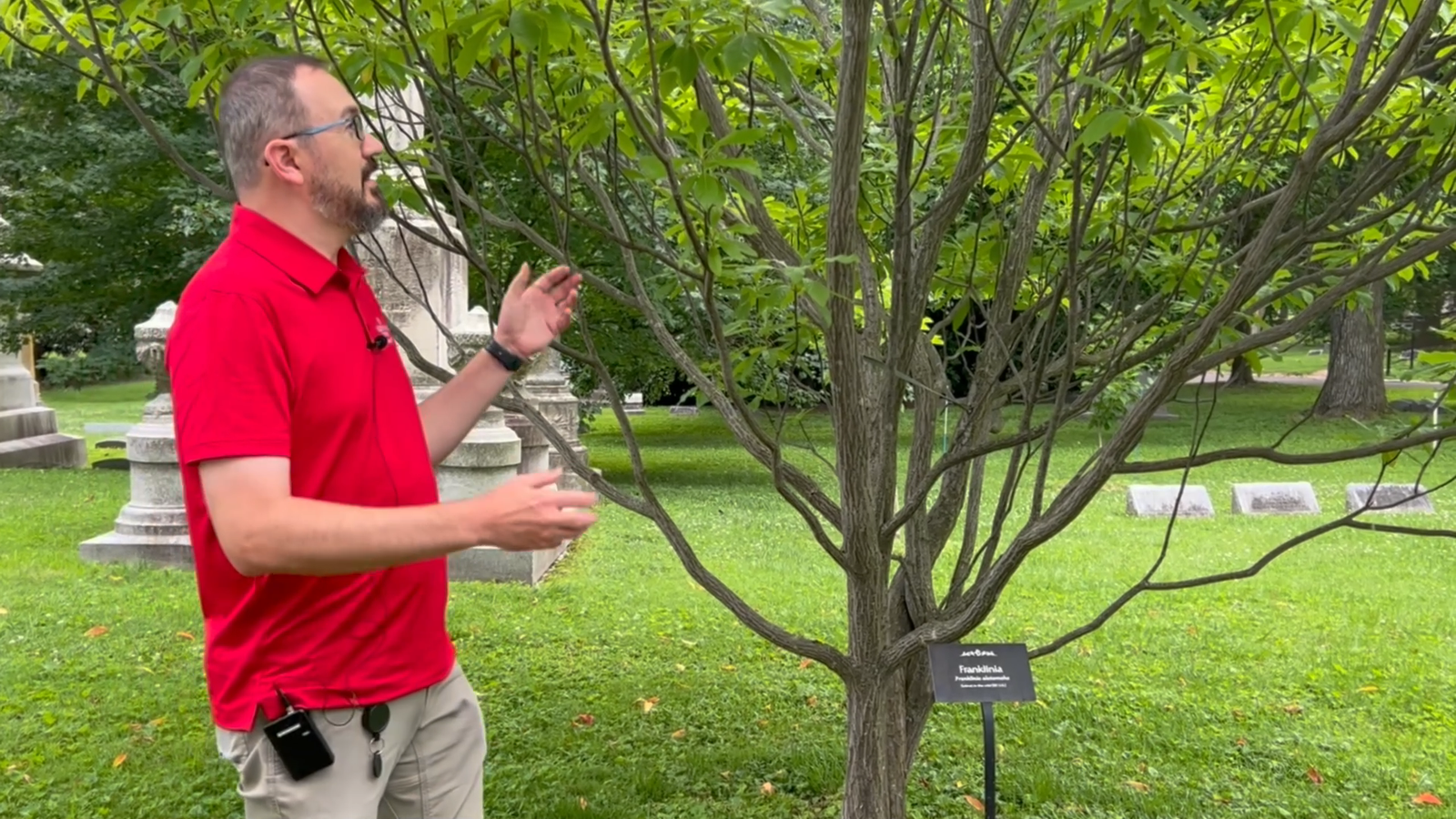
Weak Connections
Included bark prevents a strong wood-to-wood bond between the main trunks, creating inherent structural flaws.
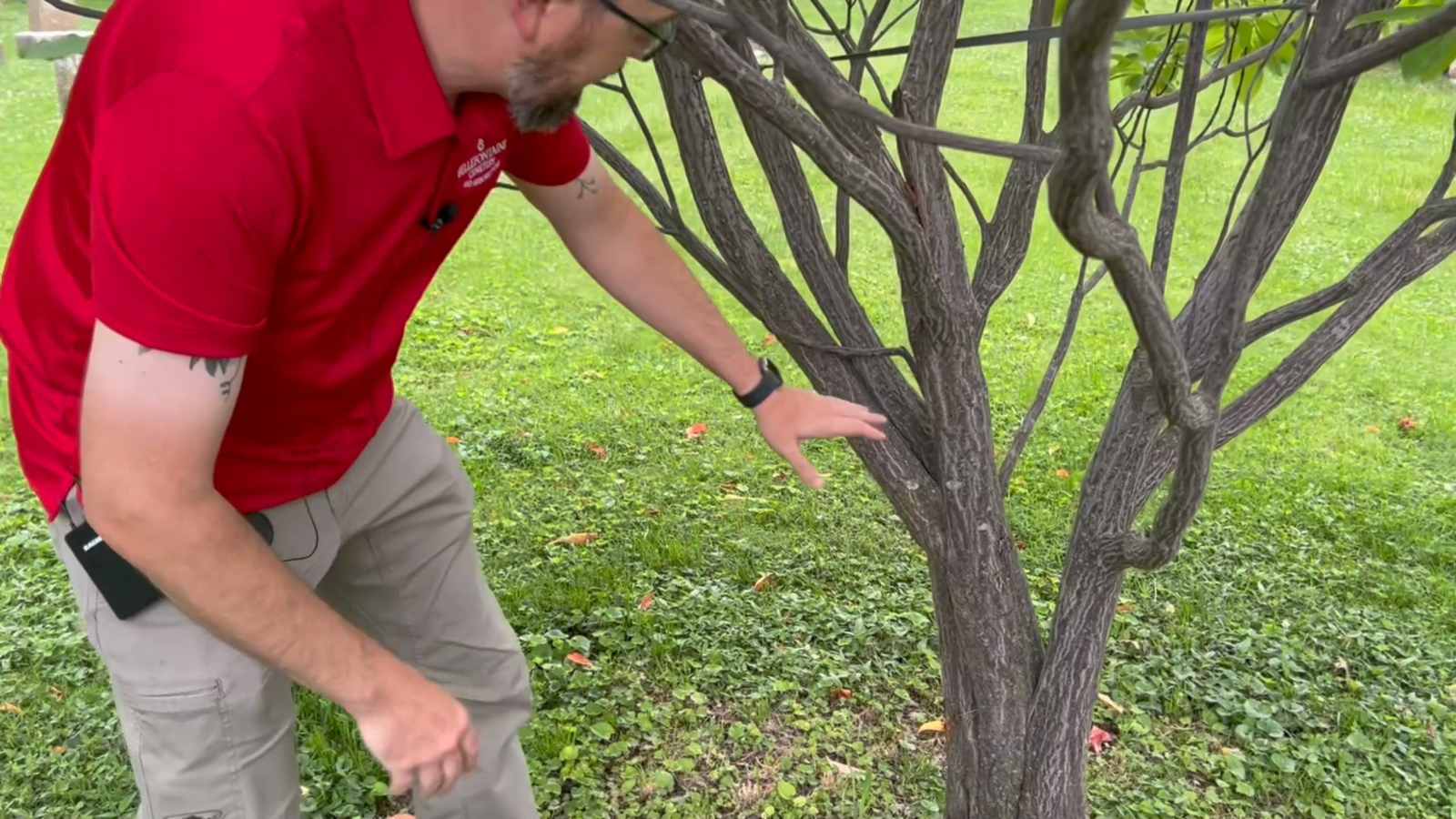
A New Split Has Appeared
Recent evaluations revealed new, active splitting. We have deployed temporary ratchet straps to hold the tree together.
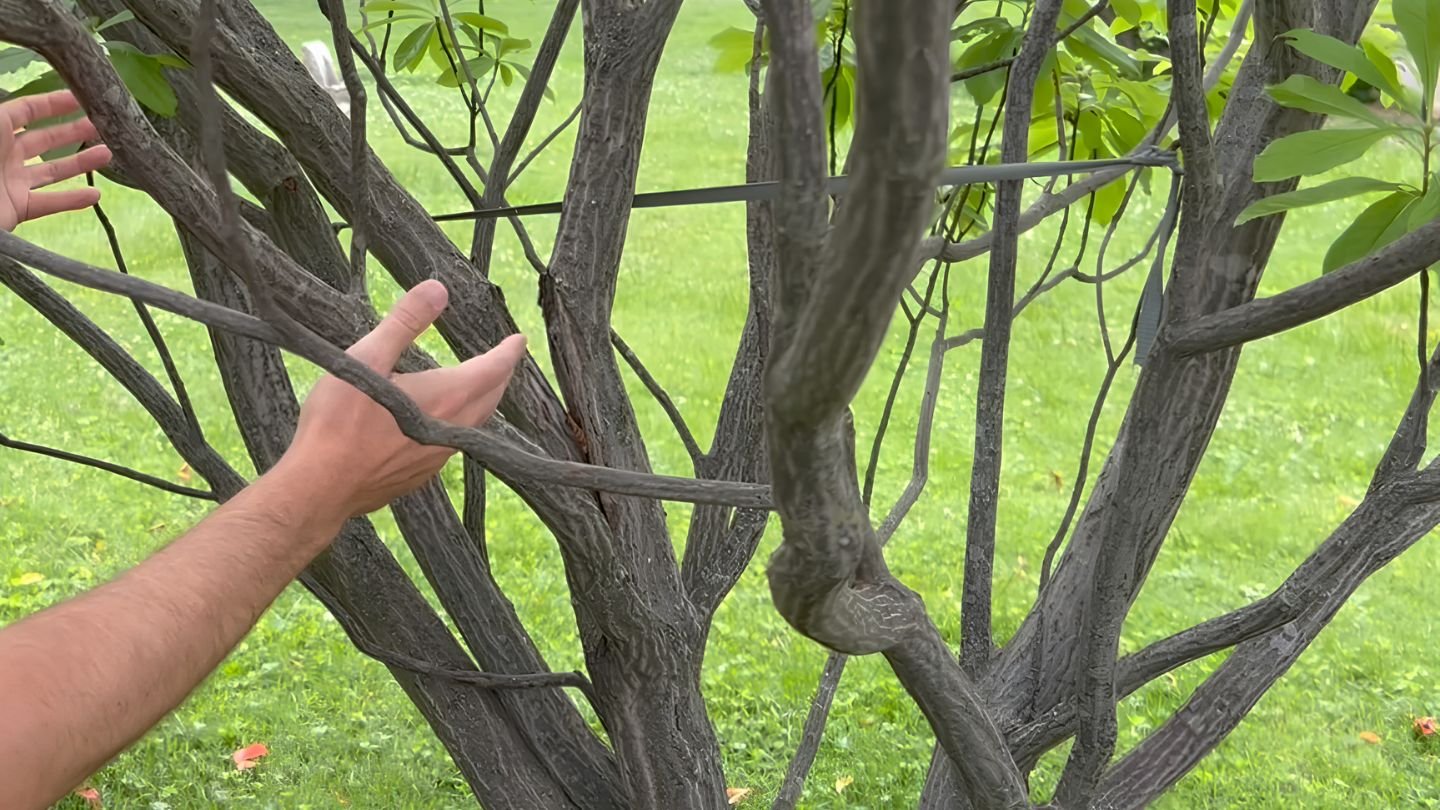
One Trunk Could Peel Away
If action isn't taken, wind or ice could cause a stem failure, stripping half the tree away and likely killing the entire specimen.
Temporary Repairs Have Bought Time. The Tree Needs More Help.
The straps currently holding the stems together are only a stopgap measure. To save the tree long-term, we must install permanent, professional cabling and bracing systems tailored to its specific canopy weight and movement.
Extinct in the Wild. Preserved Through Human Care.
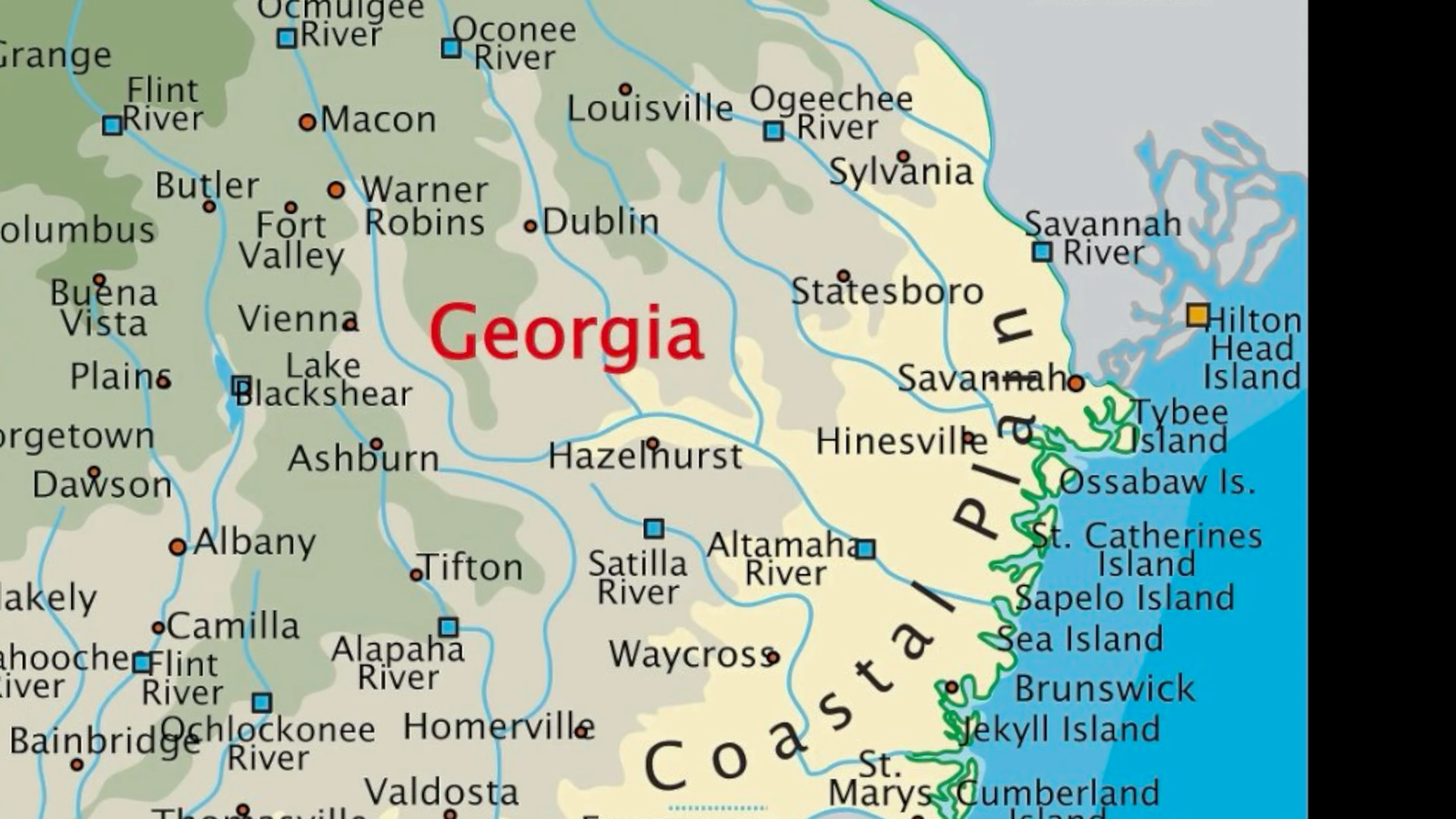
Discovered in 1765 along the Altamaha River in Georgia by royal botanists John and William Bartram, the Franklin Tree (named for Benjamin Franklin) is a botanical legend.
By 1803, just decades after its discovery, the species vanished from the wild entirely, likely due to a cotton root rot pathogen.
People Saved This Species Once. Now This Tree Needs Us.
Every Franklin Tree alive today is descended from the seeds collected by the Bartrams. They are living artifacts, kept in existence solely through careful human cultivation.
The Largest Franklin Tree in the St. Louis Area
Bellefontaine Cemetery and Arboretum is home to an extraordinary specimen. It is widely considered the largest and most mature Franklin Tree in the St. Louis region. Its survival is not just a win for Bellefontaine, but for the botanical heritage of our entire community.
What Your Gift Will Help Make Possible
Your support funds an immediate, specialized response to secure the tree's future. Donations will directly enable:
- Professional arboricultural evaluation and risk assessment
- Installation of permanent, dynamic cabling to stabilize the canopy
- Structural bracing to secure the splitting lower trunks
- Long-term preservation work and specialized soil care
- Protection of a living historical artifact for future generations
*Note: Donations are pooled to support the overall preservation of the Franklin Tree and arboretum initiatives; amounts are not connected to specific, individual hardware pieces.
Your Gift Protects More Than a Tree
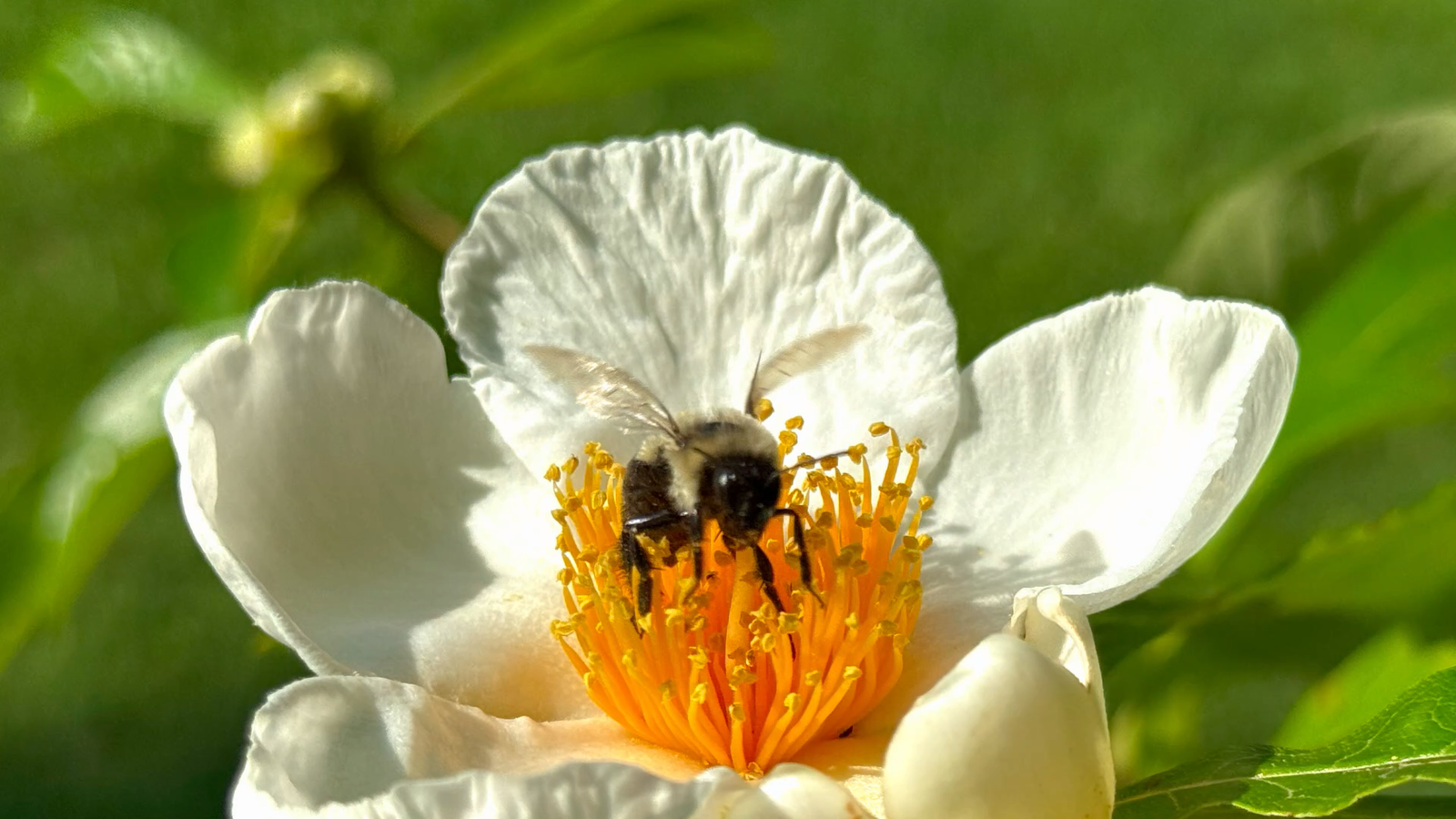
Its Beauty
Famous for its stunning, fragrant white flowers with golden-yellow centers that bloom in late summer when few other trees flower.
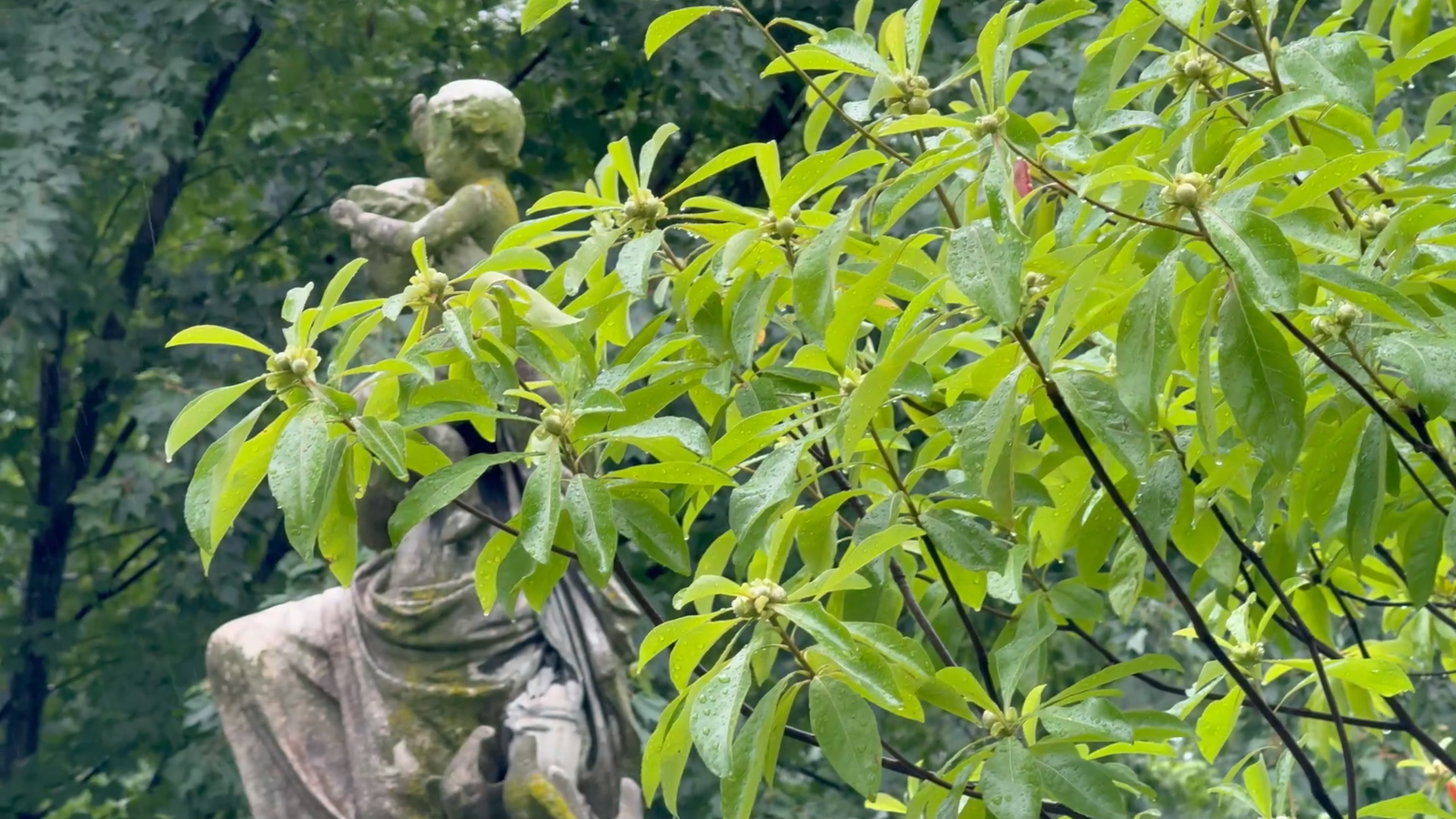
Its History
A living testament to early American botanical exploration and the legacy of the Bartram family's pioneering work.
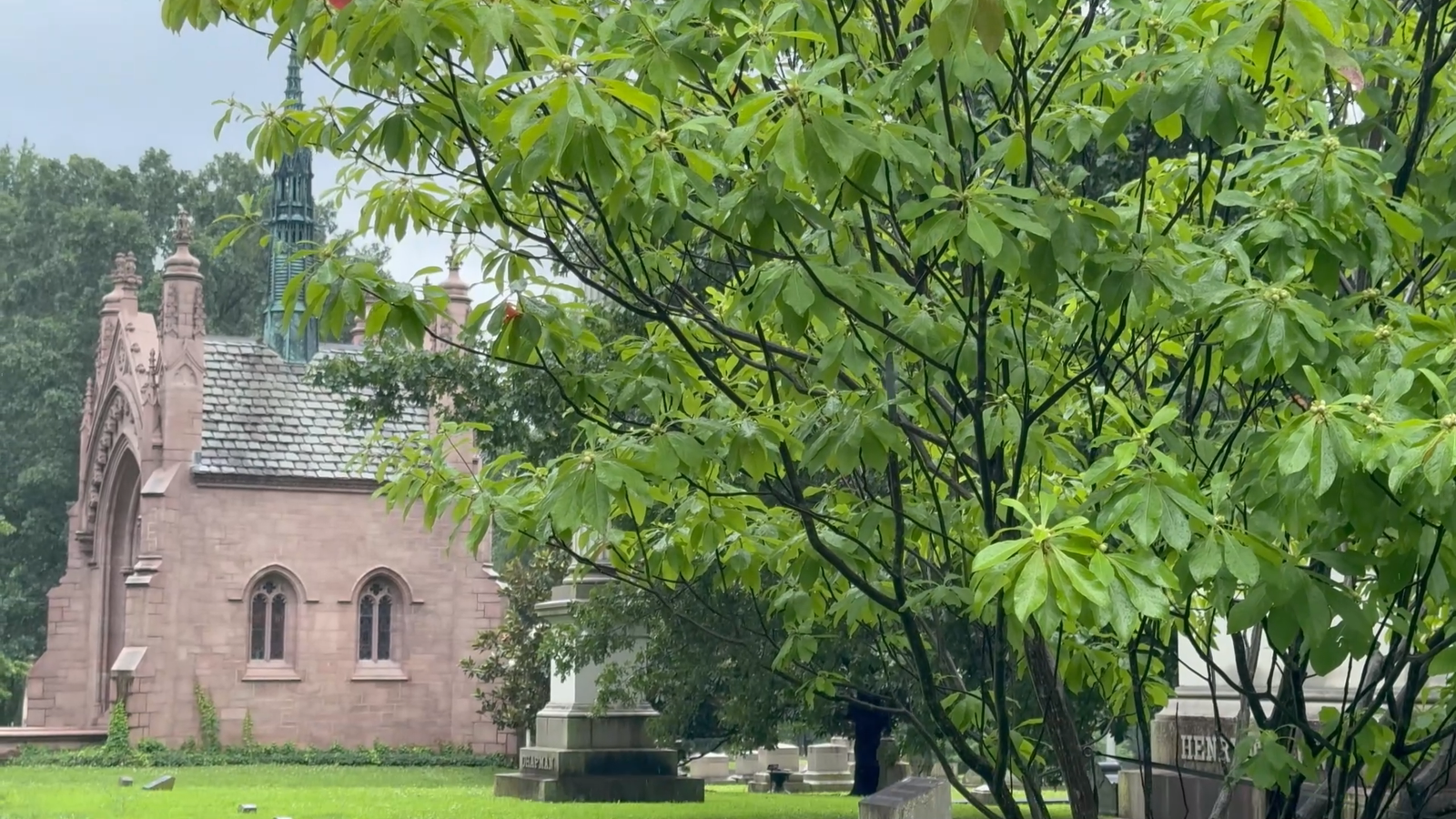
Its Conservation Legacy
A powerful symbol of how human intervention can prevent extinction and preserve species for future centuries.
The People Working to Protect It

Sherry Smith
CEO and President
As CEO and President, Sherry champions this vital initiative to preserve one of nature's rarest treasures, bringing vision and leadership to protect this living piece of botanical history.
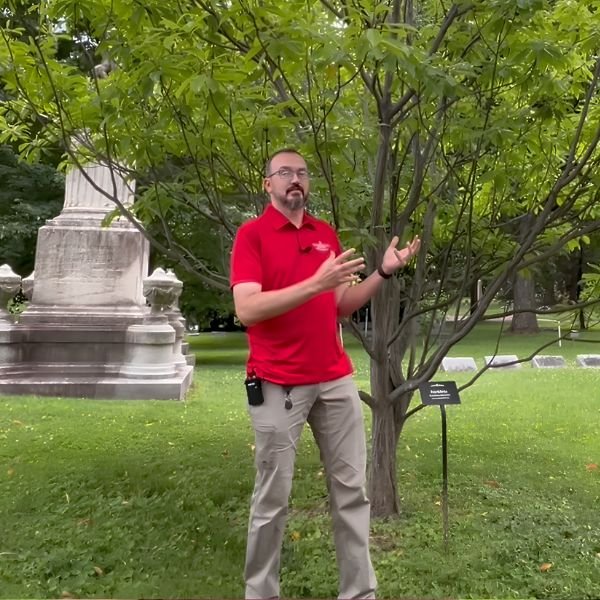
James Faupel
Director of Horticulture
Identified the critical structural failures and is spearheading the arboricultural intervention to stabilize the tree.
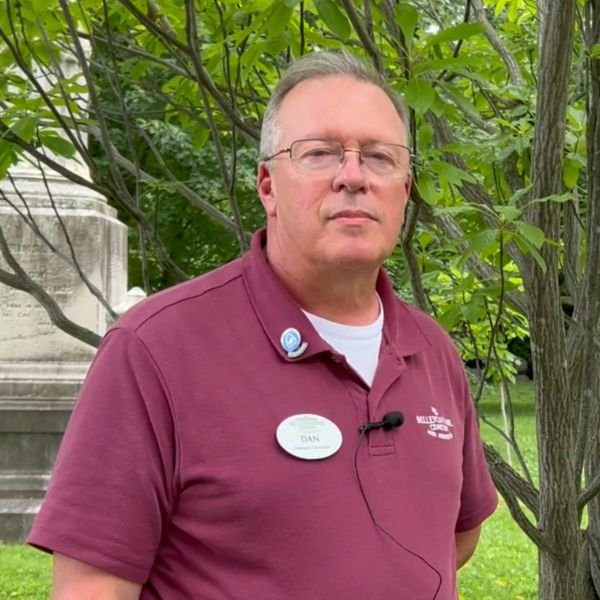
Daniel Fuller
Cemetery Chronicler
Advocates for the preservation of our living historical artifacts, ensuring the stories of these botanical treasures endure.
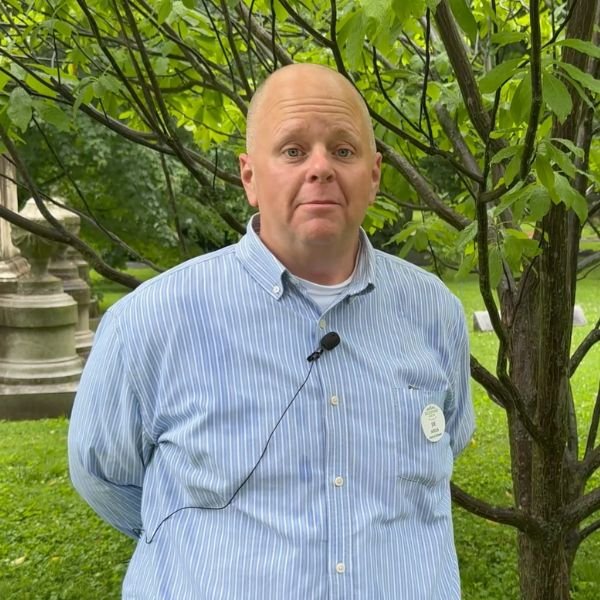
Joe Shields
Director of Development
Leading the fundraising effort to secure the vital resources needed for the tree's immediate and long-term care.
Come See What You Are Helping Protect
The Franklin Tree is located along our 3.7-mile self-guided tour route. We invite you to visit the grounds, experience the serene beauty of the arboretum, and see this magnificent specimen for yourself.
Follow the Franklin Tree's Preservation Story
Sign up for our newsletter to receive updates on the tree's stabilization progress, arboretum news, and upcoming historical tours.
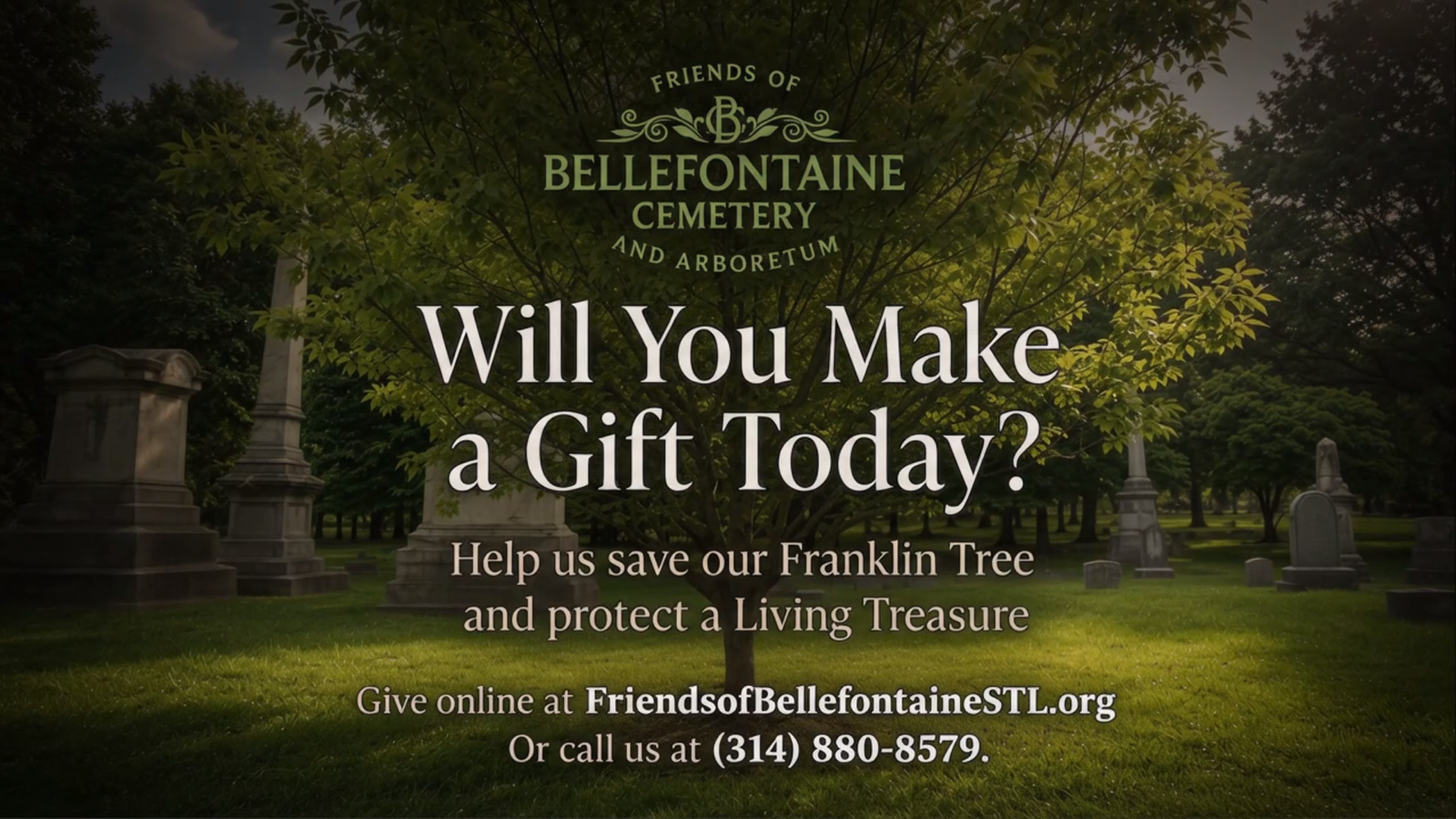
Will You Make a Gift Today?
Help us save our Franklin Tree and protect a Living Treasure.
Or call Joe Shields at: (314) 880-8579
Friends of Bellefontaine Cemetery Association is a 501(c)(3) nonprofit.